Source Compostable Kraft Paper Cup Sleeve for Coffee, Tea, and Restaurants
Find 30 listings for Compostable Kraft Paper Cup Sleeve options from Chinese manufacturers. Buyers can compare customization, printing methods, and eco-friendly features for hot and cold beverage packaging needs.
Key considerations
Products List


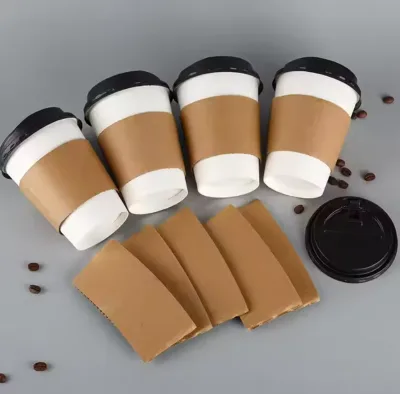
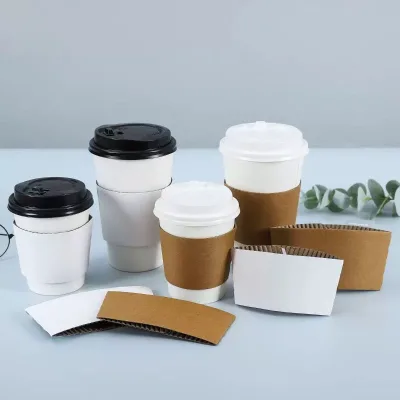
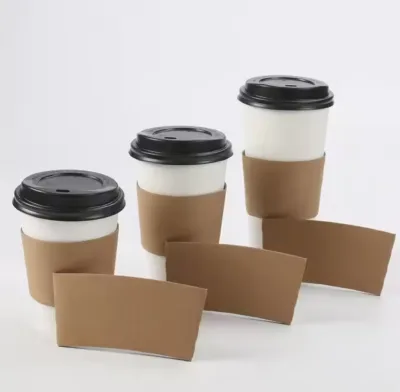
Coffee Sleeves Fits, Paper Coffee Cups Sleeves for 12 Oz-24 oz Hot Disposable Paper Cups
$0.01 - $0.02
MOQ: 1000 pieces
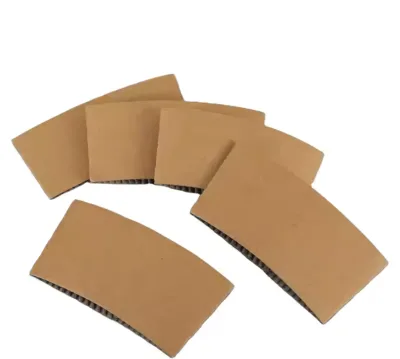
Custom Size Print logo Eco Friendly Recycled Paper Cup Sleeve Recyclable Material
$0.01 - $0.02
MOQ: 1000 pieces


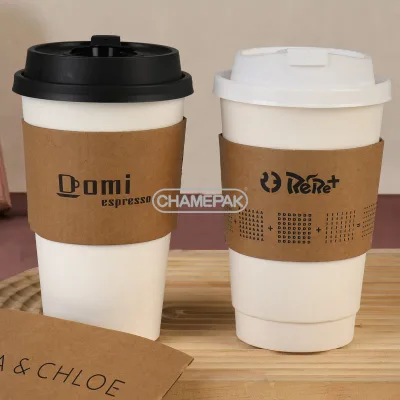


Hot Paper Cup Sleeve Custom Paper Coffee Cup Sleeve with Logo Coffee Paper Cups
$0.03 - $0.05
MOQ: 50000 Pieces


Biodegradable Wholesale Custom Disposable Paper Sleeve for Hot Drink Cup
$0.01 - $0.05
MOQ: 50000 Pieces

Disposable Biodegradable Competitive Price Printed Custom Hot Coffee Sleeve Fits Cup
$0.01 - $0.05
MOQ: 50000 Pieces

Comprehensive Sourcing Guide
Strategic Sourcing Guide for Compostable Kraft Paper Cup Sleeves
The global shift toward sustainable packaging has elevated the demand for compostable kraft paper cup sleeves, a critical accessory in the food and beverage industry. These sleeves serve a dual purpose: they protect consumers from thermal burns while providing a premium, eco-conscious brand canvas. For procurement professionals, sourcing these items requires a nuanced understanding of material composition, manufacturing capabilities, and regulatory compliance. This guide synthesizes available market data and technical specifications to provide a disciplined framework for evaluating potential suppliers and ensuring product quality.
Technical Specifications and Material Composition
The foundation of a high-quality cup sleeve lies in its material composition and structural integrity. The primary material observed in the current market for this category is paper, specifically kraft paper. Kraft paper is favored for its strength, durability, and natural aesthetic, which aligns with the "simple" style often requested by buyers. The production of these sleeves typically involves flexographic printing or offset printing, allowing for high-volume customization of logos and branding. Flexographic printing is particularly noted for its efficiency in long runs, while offset printing offers superior image quality for detailed graphics.
Size and capacity are critical technical variables. While the core keyword focuses on sleeves, the associated cup specifications often dictate the sleeve dimensions. Market data indicates a range of cup sizes, including 12oz and 16oz, with some suppliers offering a broader spectrum from 10oz to 24oz. The volume of standard cups often centers around 365ml, though custom sizes are frequently accepted by manufacturers. The physical dimensions of the sleeve must match the cup profile precisely to ensure a snug fit that does not slip during handling.
The manufacturing process often includes specific features such as "hot-proof" capabilities, ensuring the material can withstand high temperatures without degrading or transferring heat to the user's hand. The product style is generally described as simple, focusing on functionality and environmental credentials rather than complex structural designs. Packaging is another technical consideration; standard practices include seaworthy packing with 500 pieces per carton or export cartons designed to protect the product during long-distance shipping. Buyers must verify that the single volume and gross weight data provided by suppliers align with their logistics planning, as discrepancies here can impact freight costs.
Compliance and Certification Verification
In the realm of sustainable packaging, compliance is not merely a formality but a prerequisite for market access. The supply chain for compostable kraft paper cups and sleeves is heavily scrutinized for adherence to international standards. Buyers should verify that suppliers possess certifications such as CE, ISO, FDA, LFGB, and SGS. These certifications indicate that the materials meet specific safety and quality benchmarks for food contact and environmental impact.
The term "compostable" implies that the product can break down under specific conditions. While the supplied data lists features like "Recyclable," "Compostable," and "Biodegradable," buyers must exercise caution. These attributes should be treated as observations of the product's potential rather than guaranteed performance claims for every listed item. To substantiate these claims, procurement teams should request documentation proving compliance with standards such as ASTM 6400 or EN 13432, although specific test results for these standards are not explicitly detailed in the general product listings.
Furthermore, the origin of the product plays a significant role in compliance. A significant portion of the market data points to China as the place of origin, with specific mentions of Anhui as a manufacturing hub. Suppliers from this region often adhere to standards like ISO 9001, EU regulations, and CIQ (China Inspection and Quarantine) requirements. Buyers must ensure that the "Food Grade" and "Eco-Friendly" labels are backed by valid certificates from recognized bodies. The presence of multiple specifications and standards in supplier profiles suggests a robust manufacturing capability, but individual product batches must still be verified against the specific regulatory requirements of the buyer's target market.
Cost Drivers and Pricing Dynamics
Understanding the cost structure of compostable kraft paper cup sleeves is essential for effective budgeting. The observed price range in the market spans from $0.01 to $0.26 per unit. This wide variance is driven by several factors, including the complexity of the printing process, the thickness of the kraft paper, and the volume of the order. Lower prices typically correlate with higher volumes and simpler designs, while premium pricing may reflect custom colors, complex offset printing, or specialized eco-certifications.
The Minimum Order Quantity (MOQ) is a significant cost driver. Data indicates that MOQs generally range from 1,000 to 100,000 units, with specific suppliers setting thresholds at 30,000 or 50,000 pieces. For small to medium-sized enterprises, meeting a 50,000-piece MOQ can be a substantial barrier, potentially inflating the per-unit cost if the inventory cannot be absorbed quickly. Conversely, larger orders benefit from economies of scale, reducing the unit price significantly.
Other cost factors include customization. While "Customization" and "Logo" services are widely available, the setup costs for custom molds or printing plates can add to the initial expense. The "Seaworthy Packing" requirement also influences costs, as specialized packaging adds material and labor expenses. Buyers should also consider the "Industrial Use" classification; items designated for disposable packaging often have different cost structures compared to reusable alternatives. When negotiating, procurement teams should request a breakdown of costs related to material, printing, and packaging to identify areas where savings can be achieved without compromising quality.
Typical Applications and Usage Scenarios
The versatility of compostable kraft paper cup sleeves makes them suitable for a wide array of applications. The primary usage is for hot cups, where thermal protection is paramount. However, the market data also indicates suitability for cold cups, tea cups, and general drinking cups. This flexibility allows businesses to use a single SKU for multiple beverage types, simplifying inventory management.
The industrial application is predominantly in the restaurant and coffee shop sectors. The "Application" field often lists "Restaurant Coffee," highlighting the product's role in the coffee culture where branded sleeves are a common marketing tool. The "Disposable" nature of the product aligns with the fast-paced environment of food service, where hygiene and convenience are priorities. Additionally, the "Eco-Friendly" and "Biodegradable" features make these sleeves ideal for businesses aiming to reduce their environmental footprint, appealing to environmentally conscious consumers.
The product is also suitable for food packaging applications beyond beverages, such as holding food items that require thermal insulation. The "Simple" style and "Customized Color" options allow for branding that fits various corporate identities, from minimalist coffee chains to vibrant fast-food outlets. The "Customer Logo" capability ensures that the sleeves serve as a mobile advertisement, reinforcing brand recognition every time a customer holds a beverage.
Supplier Evaluation and Selection Criteria
Selecting the right supplier requires a rigorous evaluation process that goes beyond price comparison. Buyers should prioritize suppliers who demonstrate a clear understanding of the product's technical specifications and compliance requirements. Key evaluation criteria include the supplier's ability to offer "OEM/ODM" services, which indicates flexibility in customizing products to meet specific brand needs. The "Acceptable" status for OEM/ODM suggests that many suppliers are open to collaborative development.
The "Place of Origin" is another critical factor. Suppliers based in Anhui, China, are noted for their production capabilities, but buyers should verify their capacity to meet global shipping standards. The "Export Carton" and "Seaworthy Packing" attributes are essential indicators of a supplier's experience in international trade. Buyers should also assess the supplier's "Custom Order" acceptance, as flexibility in order sizes and specifications can be a decisive factor for businesses with fluctuating demand.
Quality control capabilities should be a primary focus. Suppliers with "ISO," "SGS," and "FDA" certifications on their profiles are more likely to maintain consistent quality. However, buyers must verify that these certifications are current and applicable to the specific product batch. The "Multiple specifications" listed in some profiles suggest a diverse product range, but buyers should ensure that the specific model numbers (e.g., CS 1, BDCS10-24, FSE04) match their exact requirements.
Quality Control and Performance Verification
Ensuring the quality of compostable kraft paper cup sleeves involves a multi-step verification process. The first step is to validate the material composition. Buyers should request samples to test the paper's thickness, tensile strength, and thermal resistance. The "Hot-proof" feature must be verified through practical testing to ensure the sleeve does not fail under high temperatures.
Printing quality is another critical aspect. Whether using flexographic or offset printing, the logo and graphics must be sharp, durable, and resistant to smudging. The "Customized Color" option should be matched against a physical sample to ensure color accuracy. Buyers should also check for any defects in the cutting or folding of the sleeves, as these can affect the fit and functionality.
Compliance verification is essential for quality assurance. Buyers should request test reports for "Biodegradable," "Compostable," and "Recyclable" claims. While the market data lists these features, independent verification through third-party testing labs is recommended to ensure the products meet the specific environmental standards of the target market. The "Food Grade" status must be confirmed through valid documentation, ensuring the material is safe for direct contact with food and beverages.
Long-Term Procurement Considerations
Sourcing compostable kraft paper cup sleeves is not just a one-time transaction but a long-term strategic decision. Buyers should consider the scalability of their supply chain. With MOQs ranging up to 100,000 units, suppliers must have the capacity to handle large orders without compromising lead times or quality. The "Lead time" and "Capacity" of the supplier are critical factors in maintaining a steady supply of products.
Sustainability is a long-term driver for this category. As regulations regarding single-use plastics tighten globally, the demand for compostable alternatives will likely increase. Buyers should partner with suppliers who are committed to continuous improvement in their environmental practices. The "Recyclable" and "Compostable" features should be supported by ongoing R&D to ensure the products remain compliant with evolving standards.
Finally, the relationship with the supplier should be built on transparency and trust. Clear communication regarding specifications, certifications, and quality control measures is essential. Buyers should establish a framework for regular quality audits and performance reviews to ensure that the supplier continues to meet expectations over time. By focusing on these long-term considerations, businesses can secure a reliable supply of high-quality compostable kraft paper cup sleeves that align with their brand values and operational needs.
FAQs
What certifications do compostable kraft paper cup sleeves have?
These sleeves typically hold CE, ISO, FDA, LFGB, and SGS certifications. Buyers should verify that specific batches meet food-grade standards like EU and CIQ requirements for their target market.
Which printing methods are used for custom logos on these sleeves?
Manufacturers commonly use flexographic and offset printing for custom branding. Flexographic printing suits long runs, while offset printing offers superior detail for complex graphics on kraft paper.
Can I order custom sizes for compostable kraft paper cup sleeves?
Yes, custom sizes are accepted by many manufacturers alongside standard options. Standard capacities often include 12oz and 16oz, with some suppliers offering a broader range from 10oz to 24oz.
What is the typical minimum order quantity for these sleeves?
Minimum order quantities generally range from 1,000 to 100,000 units depending on the supplier. Specific vendors may set thresholds at 30,000 or 50,000 pieces to ensure production efficiency.
How are these eco-friendly sleeves packaged for international shipping?
Products are typically packed in seaworthy export cartons containing 500 pieces per carton. This packaging protects the recyclable and compostable sleeves during long-distance transport to global destinations.
Where are these kraft paper cup sleeves primarily manufactured?
The primary place of origin is China, with specific manufacturing hubs in Anhui. Suppliers from this region often adhere to international standards like ISO 9001 and EU regulations.